Forensic Science Major
About the Forensic Science Major
Roger Williams University’s Bachelor of Science in Forensic Science is a rigorous, interdisciplinary, STEM-driven program integrating biology, chemistry, forensic science, and the criminal justice system. Students choose a Biology or Chemistry track and progress from foundational science through applied investigation, laboratory analysis, immersive crime-scene training, and independent capstone research. The program prepares graduates for forensic science and related STEM careers, public-service roles, and graduate or professional study.
QUICK LINKS
Program Mission
The Roger Williams University Forensic Science Program prepares students for professional practice and graduate study by delivering a rigorous, STEM-driven Bachelor of Science curriculum that integrates biology, chemistry, and the criminal justice system. Through immersive laboratory and virtual-reality-based experiences, research-intensive capstone work, and sustained partnerships with forensic and public-service agencies, students develop the scientific knowledge, technical competence, ethical judgment, and effective communication needed to serve diverse communities and advance the field of forensic science.
Program Goals
- Deliver an interdisciplinary Bachelor of Science degree integrating biology, chemistry, forensic science, and criminal justice.
- Strengthen faculty-led and student-driven research, scholarly inquiry, and scientific discovery.
- Provide hands-on learning through current forensic technology, laboratory practice, and virtual-reality crime-scene analysis.
- Maintain strong partnerships with local and state law enforcement agencies, facilitating real-world applications of forensic science, professional networking opportunities, and career development pathways for students.
- Provide qualified faculty and practitioner mentors committed to academic excellence and professional development.
- Support student success through experiential learning, research, advising, and career preparation.
- Engage the broader community through internships, workshops, seminars, camps, and outreach activities.
Forensic Science Degree Requirements
Program Snapshot and Student Success
RWU reports the following program-specific indicators to provide students, families, employers, and accreditation reviewers with a transparent view of program scale, learning, and graduate readiness.
| Indicator | Most recent result |
|---|---|
| Enrolled majors | 115 (Fall 2026) |
| Degrees conferred | 16 (Spring 2026) |
| Capstone projects | 47 completed, 2022-2025 |
| Teaching effectiveness | 87.5% extremely or very effective |
| Interdisciplinary relevance | 100% said the education was relevant to real-world forensic applications |
| Internship or independent research | 100% completed at least one |
| Program recommendation | 87.5% would definitely or probably recommend the program |
Senior Exit Survey Comparison
| Measure | Spring 2025 (n=10) | Spring 2026 (n=8) |
|---|---|---|
| Teaching effectiveness | 80% extremely or very effective | 87.5% extremely or very effective |
| Advisement satisfaction | 60% extremely or very effective | 75% extremely or very effective |
| Scientific writing | 80% rated 4 or 5 on a 5-point scale | 87.5% rated 4 or 5 on a 5-point scale |
| Oral presentation confidence | 70% rated 4 or 5 on a 5-point scale | 87.5% rated 4 or 5 on a 5-point scale |
| Ethical responsibilities | 80% rated 4 or 5 | 100% rated 4 or 5 |
| Legal standards / Daubert | 80% rated 4 or 5 | 100% rated 4 or 5 |
| Employment or graduate-school readiness | 90% very or moderately confident | 87.5% very or moderately confident |
Enrollment and Degree Completion
| Reporting year | Enrolled majors (Fall) | Degrees conferred (Spring) |
|---|---|---|
| 2018 | 71 | 10 |
| 2019 | 76 | 8 |
| 2020 | 92 | 14 |
| 2021 | 87 | 21 |
| 2022 | 95 | 11 |
| 2023 | 103 | 18 |
| 2024 | 85 | 23 |
| 2025 | 98 | 15 |
| 2026 | 115 | 16 |
Experiential Learning and Internships
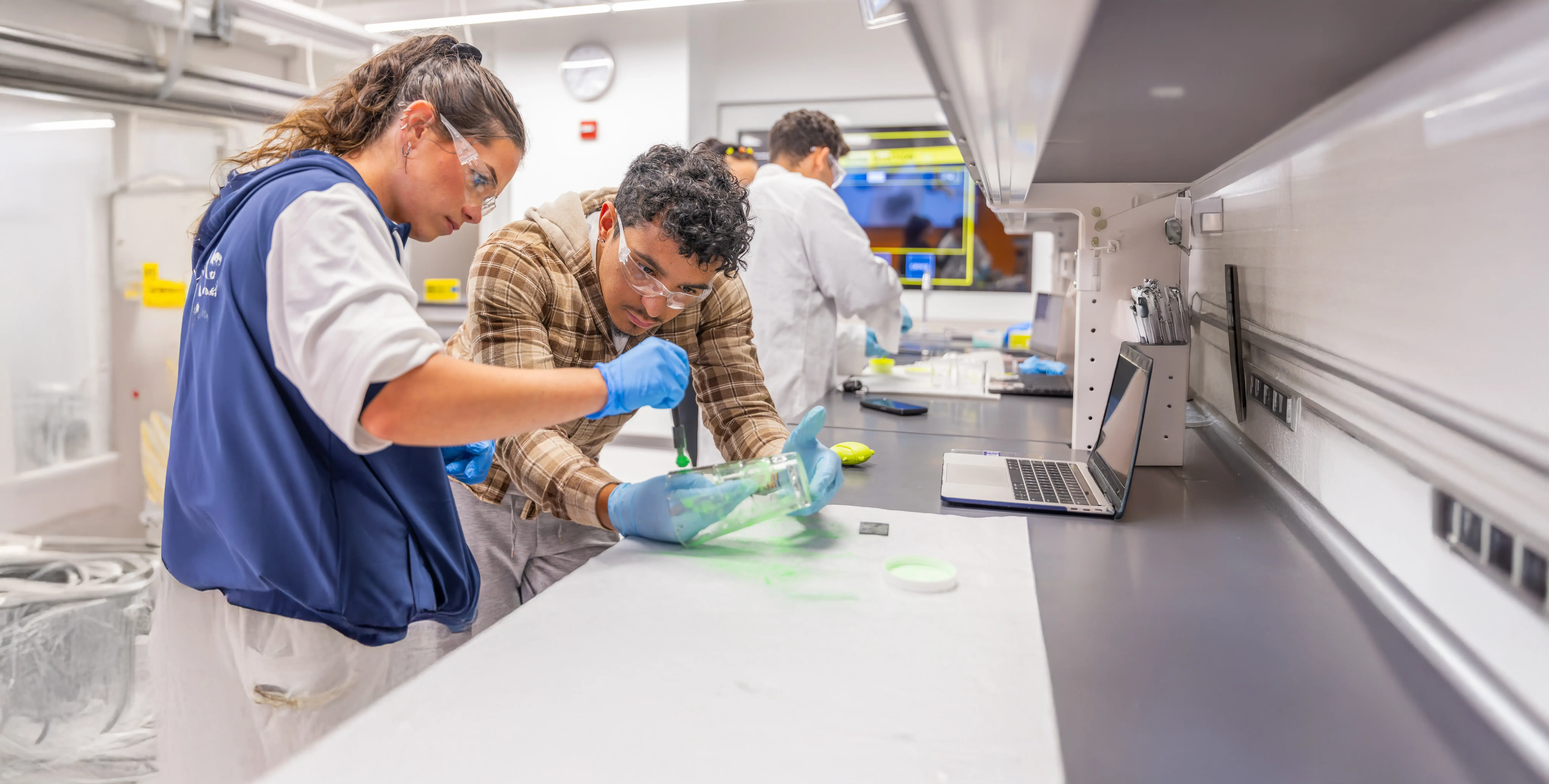
Experiential learning is a defining feature of the RWU Forensic Science Program. Students apply classroom and laboratory learning through competitive internships, research experiences, teaching assistantships, mock crime scenes, and immersive virtual-reality training. Recent settings have included:
- Rhode Island State Crime Laboratory and Massachusetts State Police Crime Laboratory
- Rhode Island State Police Fusion Center and municipal law-enforcement agencies
- R.I. District Attorney, R.I. Public Defender, courthouse, corrections, and probation settings
- U.S. Marshals Service and Naval Investigative Service
- Dell SecureWorks, Security Weekly, and MediTech
- Medicolegal death investigation and pathology or histology laboratories
- Environmental, analytical, and university research laboratories
- Brown University Pre-College Forensic Science teaching assistantships
Customize Your Forensic Science Studies
Choose Your Forensic Science Track
The interdisciplinary Forensic Science program works closely with RWU’s School of Social and Natural Sciences and gives students a strong background in both science and criminal justice. Within the RWU program, you can choose between a Biology-focused track or a Chemistry-focused track. All students, regardless of the track they choose, take Biology, Chemistry, Physics, and Forensic Science lab courses as well as Criminal Justice courses.
- Students who enter the Biology track have an interest in doing more crime scene and data collection. They will be prepared for careers as DNA analysts or fingerprint examiners. They inspect evidence like saliva, blood, and bodily fluids and work with police to solve crimes.
- The Chemistry track is for students interested in doing more intensive and analytical lab work. They are prepared for careers as a lab analyst or toxicologist. They analyze collected evidence such as weapons, projectiles, and drug samples.
3+3 Accelerated Law Program
Earn your Bachelor’s and Juris Doctor degrees in six years through RWU’s 3+3 Law program. You’ll get a jump start on your J.D. by integrating law courses into your undergraduate studies and completing undergraduate requirements in your first year of law school. Accepted students will take first-year courses in the School of Law along with legal electives to fulfill undergraduate fourth-year requirements. Interested students must indicate their intent to pursue a 3+3 pathway early in their undergraduate studies for curriculum planning and advising.
Immersive Crime Scenes
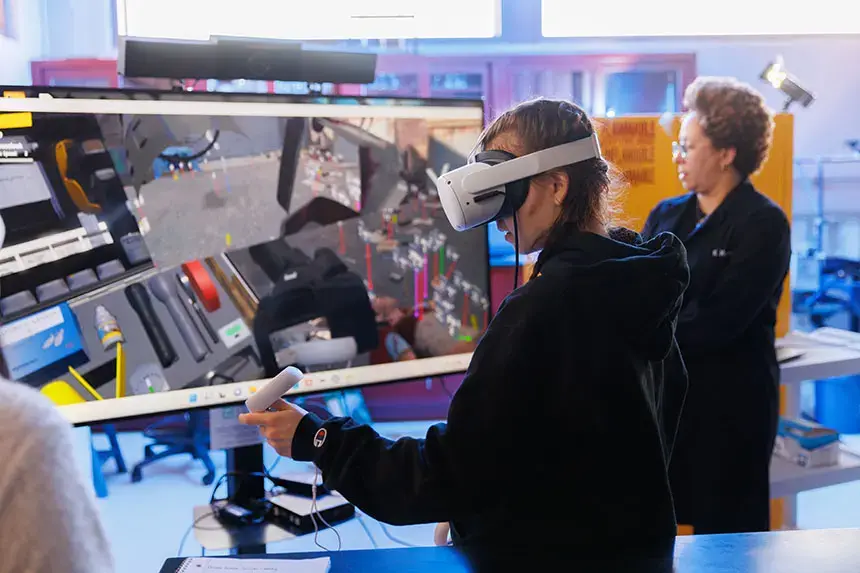
Forensic Science students have a unique opportunity to be fully immersed in processing crime scenes through a one-of-a-kind, virtual-reality crime-scene training program designed for undergraduate students. Created by Karla-Sue Marriott, professor and director of Forensic Science at RWU, the VR program lets users process crime scenes and use a blood spatter simulator to calculate bloodstain patterns. Students gain valuable experience by using virtual tools including evidence markers and items to collect blood and fingerprints to help solve crimes.
Capstone Research Experience
All Forensic Science majors complete FSI 401, a culminating research experience in which students design and conduct an independent or faculty-mentored project, analyze findings in forensic and legal contexts, and communicate results in written and oral formats. Students may present their work at RWU’s Student Academic Showcase and Honors (SASH). From 2022 through 2025, students completed 47 capstone projects with guidance from 14 faculty mentors across forensic science, biology, chemistry, psychology, and related disciplines.
Recent Capstone Topic Descriptors
Graduate Outcomes
- Employment areas/roles
- Graduate/professional pathways
- Graduate/professional schools attended
Forensic scientist or criminalist; analytical or forensic chemist; DNA laboratory scientist; evidence technician; toxicology laboratory technician; molecular technologist; histology or pathology technician; medical examiner assistant
RWU Forensic Science graduates have entered forensic laboratories, public health laboratories, hospitals, medicolegal offices, law enforcement, and private analytical laboratories, and have pursued graduate and professional education. Representative outcomes reported for the 2022-2025 classes include:
Forensic science; forensic biology; forensic genealogy; chemistry; biomedical forensic science; criminal justice; law; pharmacy; dentistry; social work
RWU Forensic Science graduates have continued their education in forensic science, forensic biology, forensic genealogy, chemistry, biomedical forensic science, criminal justice, law, pharmacy, dentistry, and related professional fields. Institutions attended or selected by recent graduates include:
- Arizona State University
- Boston University School of Medicine
- George Washington University
- Massachusetts College of Pharmacy and Health Sciences (MCPHS)
- Midwestern University College of Dental Medicine
- NC State University
- New York Law School
- Roger Williams University
- University of Florida
- University of Kentucky
- University of New Haven
- Virginia Commonwealth University
- University of Florida
Faculty and Learning Environment
Students learn from full-time forensic science faculty and practitioner-instructors with experience in forensic research, forensic laboratory quality systems, drug chemistry, crime-scene response, expert testimony, and medicolegal death investigation. The program’s dedicated Forensic Science Laboratory (SE 204), completed in 2024, integrates wet-laboratory work, analytical instrumentation, evidence processing, and immersive virtual-reality crime-scene training in one instructional environment.
Ways for Forensic Science Majors to Get Involved
Forensic Science Club
The goal of the Forensic Science Club is to educate on the various sub-disciplines within the Forensic Science community, provide networking opportunities pertaining to both employment and higher education, as well as expand upon transferable skills such as critical thinking and problem solving via crime scene reconstruction and case studies.
True Crime Club
The True Crime Club is a space where true crime followers can join together and share criminal cases and create an environment where ideas can be shared freely.
Hear from Hawks
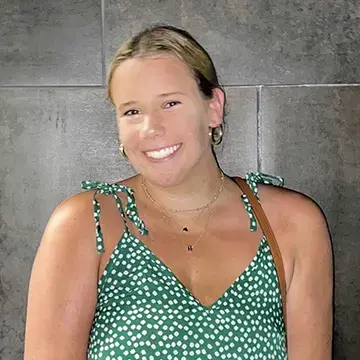
Brigid Woods ’22
“The lab work that we do in Forensic Science, especially Biology-related, is really amazing. I’ve been able to gain all these experiences and apply them to job interviews. It’s amazing to look at a job description and know that I’ve done this before and feel confident that I know what I'm doing. I could not have seen college going any better."
Brigid Woods ’22
Toxicology medical laboratory assistant for Quest Diagnostics in Marlboro, Mass.
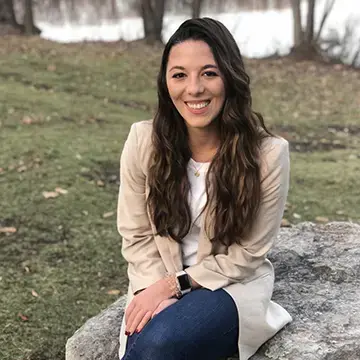
Rebecca Millard '18
“There are no better people to learn from than those who are out in the field doing exactly what you want to do. [RWU’s] program has pulled in some really great professors to help get our foot in the door and get students internships and experiences like I’ve had.”
Rebecca Millard '18
Criminalist I at City of Boston Police Department , M.S. in Biomedical Forensic Science from BU School of Medicine
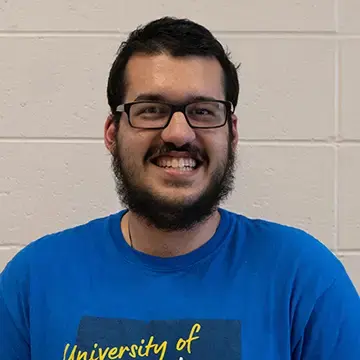
Kyle Rocha ’22
“The research I did in my capstone class and in Crime Scene Investigations was really interesting and helped me get into graduate school. Dr. Marriott has been a great mentor with my research at RWU.”
Kyle Rocha ’22
Master’s Degree Candidate in Chemistry at the University of New Haven